BIPOC Mental Health Month: Creating a Path to Healing for Every Community
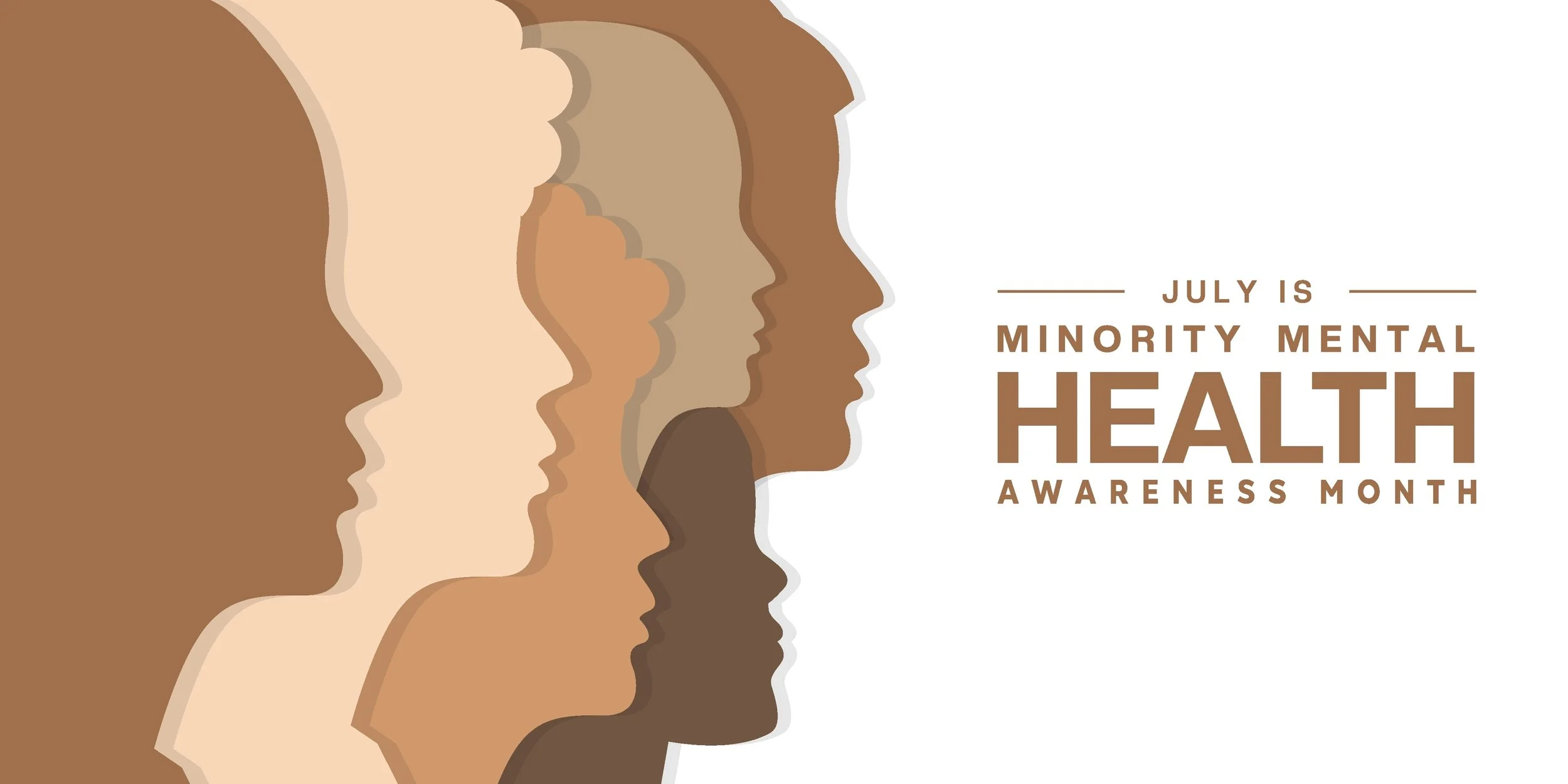
Each July, BIPOC (Black, Indigenous, and People of Color) Mental Health Month serves as an important reminder that mental health care should be compassionate, accessible, and inclusive for everyone. At Sovegna, we are committed to providing personalized, trauma-informed mental health care that honors each individual's unique experiences, culture, and personal journey.
Mental health conditions do not discriminate, but access to quality care has not always been equal. Many individuals within BIPOC communities experience barriers that can make seeking treatment more difficult, including stigma surrounding mental health, limited access to providers, financial challenges, language differences, cultural misunderstandings, and the lasting impact of historical or intergenerational trauma. These factors can delay treatment and prevent people from receiving the support they deserve.
At Sovegna, we believe healing begins by listening. Every patient brings a unique story, and we recognize that culture, life experiences, physical health, and emotional well-being are deeply connected. Rather than focusing solely on symptoms, we strive to understand the whole person. Our team develops individualized treatment plans that combine evidence-based psychiatry with trauma-informed care and functional medicine principles to help patients achieve meaningful, lasting wellness.
Whether someone is experiencing anxiety, depression, PTSD, ADHD, addiction, or other mental health concerns, our goal is to create a welcoming environment where every patient feels safe, respected, and empowered throughout their healing journey. We understand that trust is the foundation of effective care, and we are committed to meeting patients where they are with compassion and without judgment.
BIPOC Mental Health Month is also an opportunity to encourage open conversations about emotional well being. Talking about mental health helps reduce stigma, promotes understanding, and reminds others that asking for help is a sign of strength—not weakness. Early intervention and culturally responsive care can make a meaningful difference in long-term outcomes.
This July, we invite you to take time to care for your mental health and support those around you. Reach out to a loved one, educate yourself about mental health equity, or take the first step toward seeking professional support if you've been struggling.
At Sovegna, we believe every person deserves the opportunity to heal, grow, and thrive. We are honored to walk alongside our patients with compassionate, personalized care that promotes resilience, restores hope, and supports lifelong wellness.
If you or someone you love is struggling with their mental health, know that you don't have to face it alone. Our team is here to help you take the next step toward healing—one conversation, one appointment, and one personalized care plan at a time.