Why Your Mental Health Needs Humans — Not Quick Answers
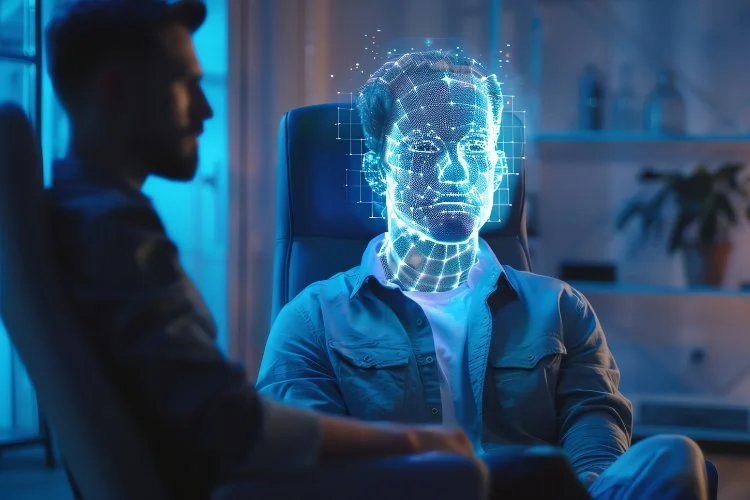
AI Isn’t a Substitute for Professional Mental Health Care
AI can provide general information, but it cannot:
Understand your lived experiences
Evaluate symptoms with clinical accuracy
Recognize risk or crisis situations
Create a safe, personalized treatment plan
Form a real therapeutic relationship
Your mental health deserves human expertise and compassion.
RLI: Real Life Intelligence
At our office, RLI means:
Real, face-to-face understanding
Real insight grounded in training and experience
Real conversations that evolve with your needs
Real, evidence-based treatment plans
Real support for real-life challenges
Healing grows from human connection, not automated answers.
Mental and emotional health cannot be reduced to patterns, predictions, or pre-set responses. When someone sits down with a trained professional, they are met with warmth, curiosity, and the kind of attunement that develops only through genuine human interaction. A therapist listens not just to what you say, but how you say it. They notice pauses, shifts in tone, small changes in posture, and the emotional threads that run beneath your story. These subtleties reveal what needs care, what needs strengthening, and what needs gentle exploration. No automated system can replicate that level of presence.
Every individual carries a lifetime of experiences that shape how they think, feel, and respond to the world. These experiences are layered, often complex, and deeply personal. A trained clinician draws from education, observation, and thousands of hours spent sitting with real people, navigating real struggles. This is what allows treatment to be safe, responsive, and truly supportive. Healing does not come from quick conclusions or generic advice. It comes from a relationship built on trust, insight, and compassion.
That is why we emphasize Real Life Intelligence—RLI. It is the intelligence that grows from human-to-human understanding. It is informed by science and shaped through meaningful conversation. RLI allows a clinician to adjust their approach as your needs change, to ask the right questions at the right moment, and to guide you toward clarity in a way that respects your individuality.
As we enter the holiday season, many people feel a rise in stress, loneliness, or emotional overwhelm. This time of year has a way of bringing old memories and new pressures to the surface. If you find yourself struggling, you do not have to navigate it alone. Reaching out for support is not a sign of weakness; it is a sign of wisdom. Our team is here to offer steady guidance, a calm presence, and a place where your concerns are taken seriously and treated with care.
You deserve support that sees you, hears you, and understands you. Real healing begins with real people—together, in conversation, one step at a time.
Key Takeaways
Mental health requires human presence. Healing depends on relational understanding, emotional attunement, and the ability to perceive subtle cues—none of which can be replicated by automated systems.
Generic guidance cannot replace clinical assessment. Only trained professionals can accurately evaluate symptoms, recognize risk, and tailor treatment based on a person’s lived experience and psychological history.
Real Life Intelligence (RLI) is essential. Effective care grows from face-to-face insight, genuine conversation, and evidence-based strategies that evolve with each patient’s needs.
Unseen struggles often emerge during the holidays. Seasonal stress, memories, and emotional pressures can intensify symptoms, making professional support especially important.
Human connection is foundational to healing. Trust, safety, and compassion create change; shortcuts and quick conclusions do not.
Reaching out is an act of strength. Seeking real support is a sign of self-awareness, not weakness, and ensures that challenges are addressed with understanding and clinical expertise.