
The Health Resilience Stress Questionnaire
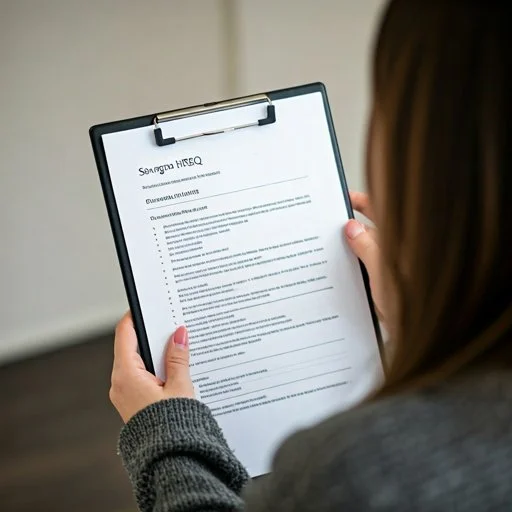
We, at Sovegna, believe healing begins with curiosity, compassion, and the willingness to better understand ourselves. Increasingly, science is confirming something many people have sensed for years: our life experiences — both painful and positive — can deeply influence not only our emotional well-being, but also our physical health.
What if stress, trauma, resilience, and emotional regulation were not separate from health care, but central to it?
This question inspired the development of the Health Resiliency Stress Questionnaire (HRSQ), created by Susie Wiet, MD and vetted by multidisciplinary colleagues through the Trauma-Resiliency Collaborative. The HRSQ was designed as a simple, quick (3-9 min), self-administered tool to help healthcare providers and patients begin meaningful conversations about how life experiences may be affecting overall health and wellness.
For many years, research from the Adverse Childhood Experiences (ACE) studies has demonstrated a powerful connection between unresolved stress or trauma and long-term health conditions such as anxiety, depression, addiction, chronic inflammation, heart disease, autoimmune illness, and more. Yet one important piece has often been overlooked: resilience. Why do some individuals continue to struggle under the weight of difficult experiences, while others discover ways to heal, grow, and thrive?
What makes the HRSQ unique is its focus on hope and empowerment. Research increasingly shows that resilience skills — including emotional regulation, supportive relationships, self-awareness, healthy coping strategies, and a sense of personal agency — can positively influence brain function, stress hormones, immune health, and even long-term disease outcomes. In other words, healing is possible, even after significant adversity.
Importantly, resilience is not something people simply “have” or “don’t have.” It can be strengthened. Research increasingly suggests that emotional regulation, meaningful connection, self-awareness, validation, and healthy coping practices may positively influence stress hormones, immune function, brain health, and even long-term disease outcomes.
In pilot studies involving more than 600 participants across primary care, psychiatric, therapy, and addiction-treatment settings, patients overwhelmingly expressed that they wanted their healthcare providers to understand the experiences influencing their health. Providers similarly found the HRSQ insightful, practical, and helpful for deepening connection and communication.
At Sovegna, we invite individuals to explore these connections with awareness, openness, and hope. Healing is about understanding the story beneath the symptoms, strengthening resilience, and creating space for transformation. The first step toward healing is simply being seen, heard, and understood.
For more information and links to the HRSQ, check out Sovegna’s website here: HRSQ | Enhance Resilience Today - Get Started — Sovegna