The Importance of Human Connection
“Group therapy is a very important component of long-term recovery: Connection with others is grounding and vital for survival. Healthy, honest, and genuine relationships form a safety net that fortifies against relapse AND enhance our experiences of life. By learning how to trust others, we also learn to trust ourselves, which often deepens trust spiritually.”
– Susie Wiet, MD
We’ve talked in past blog posts about how the pandemic created a situation in which we were unable to spend time with friends or family or even colleagues in an office environment. We were isolated for an extended period, making connection with others But even though we felt isolated and alone, it is important to remember that many others were feeling the exact same way.
So how does this all tie in with group therapy? Well, let’s revisit some statistics from an earlier blog post. The Century Foundation looked at the U.S. Census’ Household Pulse Survey to determine the increase in mental health issues during the first year of the pandemic. They found that moderate-to-severe anxiety was 37.3%, up from 6.1% in 2019. Additionally, a statistic of great concern is anxiety among young adults: Individuals under 35 years of age experience moderate to severe anxiety rates that are close to 25 percentage points higher than older individuals. And this doesn’t even take into account the loneliness so many of us felt.
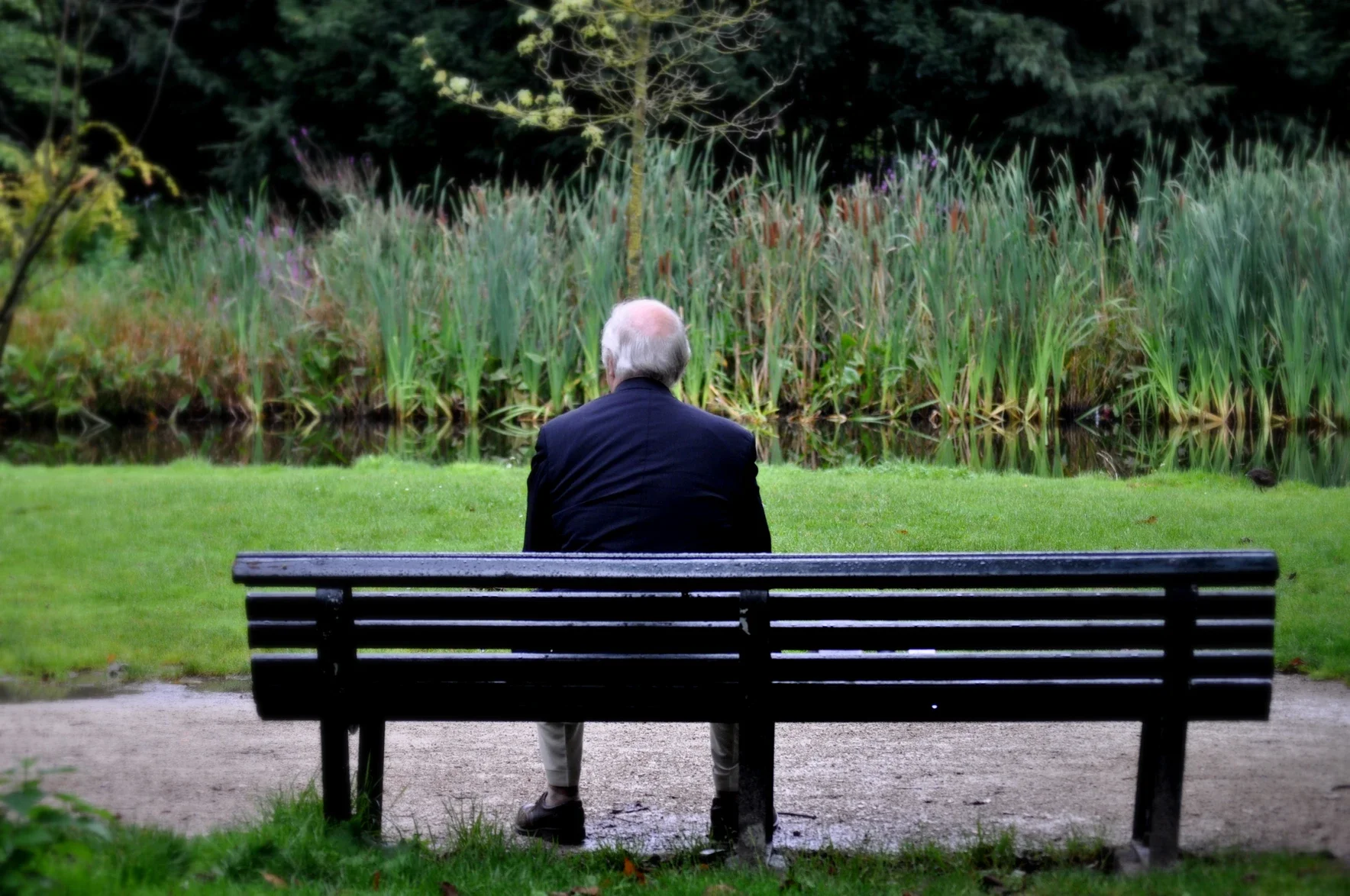
Social factors like loneliness and social isolation are risk factors for mortality comparable to smoking, obesity, and high blood pressure (Holt-Lunstad, et al., 2010). Studies have shown that social isolation can increase the likelihood of mortality by 29%, loneliness by 26%, and living alone by 32%. Loneliness can also cause increased rates of depression, suicide, and substance abuse. For men, loneliness is correlated with cardiovascular disease and stroke. In fact, men account for 80% of successful suicides, and one of the leading contributing factors is loneliness.
But there is good news. Satisfying relationships can extend longevity by up to 22%. A Harvard study conducted over eighty years showed that close relationships with other people have more of an impact on our physical health and longevity than even our genes do (Mineo, 2017). Click here to watch this Ted Talk, What Makes a Good Life? Lessons from the Longest Study on Happiness, featuring psychiatrist Robert Waldinger, the director of this 80 year-old study.
Group therapy can be a great way to enhance human connection and develop strong relationships. While it may sound intimidating to talk about yourself in front of strangers, it can be very cathartic to get feedback from others in similar situations. Regularly listening to others may also help put your own problems in perspective: You may think you are the only person in your situation, but more likely, you are not. Groups can help you find your voice, give you a sense of belonging, and help develop interpersonal communication and social skills, all while enhancing your experiences of life.
Groups are led by trained psychiatrists, psychologists, or therapists able to help you develop the skills necessary to manage – or even overcome – your specific issues. We recognize that there is no one-size-fits-all therapy for everyone; that’s why Sovegna offers a variety of groups to help each individual find the most effective treatment. This fall, we are offering a 6 Week Wellness Reset, a sampling of each of our six group types so you can experience all modalities to see which best meets your needs. The first session begins on September 8th and runs through October 13th on Thursdays from 6:30 – 8:00 pm. The second session will run from October 20th – December 1st, also on Thursdays at 6:30 pm. Classes offered include:
· Art/Creative with Kerry
· Recovery Focused Group with Melisa
· Nutrition with Pati
· Yoga & Mindfulness with Stephani
· Processing with Kerry and Katie
· Psychoeducation with Dr. Wiet
Each session costs $200 – for all 6 classes! Call us now at (385) 429-9808 to reserve your spot.
References:
Holt-Lunstad, J., Smith, T. B., Baker, M., Harris, T., & Stephenson, D. (2015). Loneliness and social isolation as risk factors for mortality: A meta-analytic review. Perspectives on Psychological Science, 10, 227-237.
Mineo, L. (2017). Harvard study, almost 80 years old, has proved that embracing community helps us live longer, and be happier. Retrieved from: https://news.harvard.edu/gazette/story/2017/04/over-nearly-80-years-harvard-study-has-been-showing-how-to-live-a-healthy-and-happy-life/
Weiss, Avrum. (November 21, 2021). The Devastating Toll of Men's Loneliness: Decreased longevity, and a heightened risk of self-harm. Psychology Today. Retrieved from: https://www.psychologytoday.com/us/blog/fear-intimacy/202111/the-devastating-toll-mens-loneliness?collection=1178767